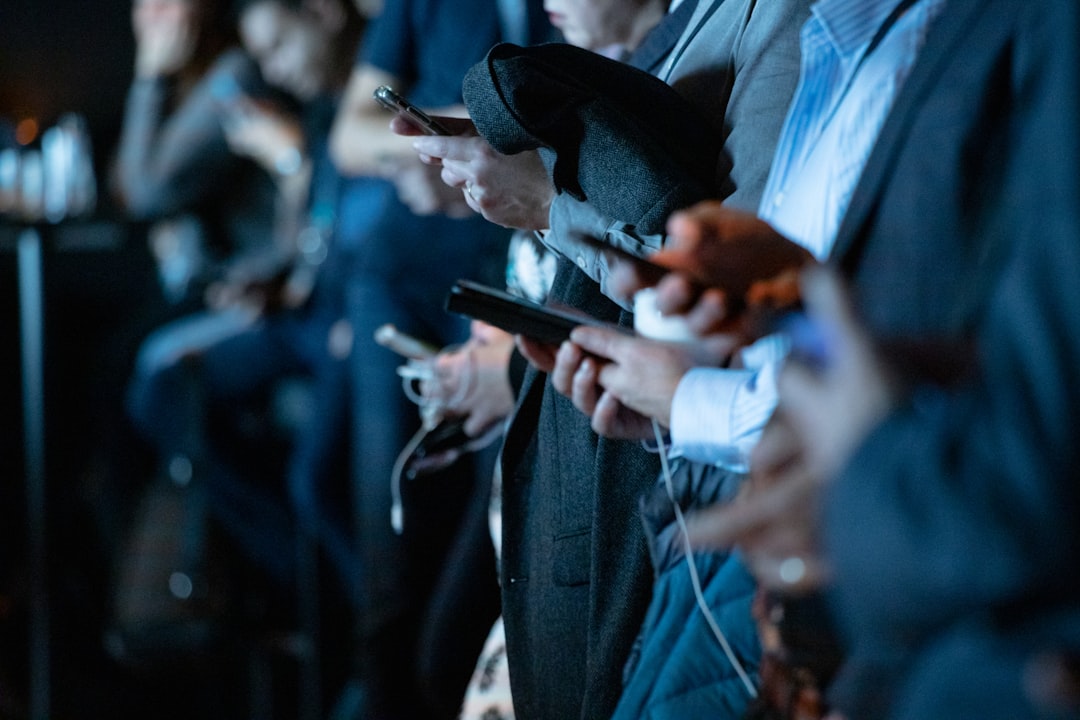
Unwanted Calls and Consumer Protection Law in Philadelphia
Introduction:
In the bustling city of Philadelphia, residents often find themselves dealing with an onslaught of unwanted calls. These calls can range from telemarketing pitches to predatory scams, disrupting daily life and posing significant risks to consumers. The legal landscape surrounding unwanted calls is complex, with a myriad of federal and state laws designed to protect citizens. This article delves into the nuances of these regulations, their enforcement, and the impact on Philadelphia's population. Readers will gain a comprehensive understanding of the legal framework, real-world implications, and future prospects for addressing unwanted calls within the city's boundaries.
Understanding Unwanted Calls in Philadelphia:
Unwanted calls, often referred to as robocalls, are automated or pre-recorded phone messages delivered without prior express consent from the recipient. These calls have become a pervasive issue, with sophisticated technologies enabling mass distribution. In Philadelphia, the problem is particularly acute, as the city's large population and its status as a major business hub make it a prime target for telemarketers and scammers.
Historically, the Telephone Consumer Protection Act (TCPA) of 1991 was one of the first federal laws to address the issue by restricting unsolicited calls. Since then, both state and federal legislation have evolved to combat unwanted calls more effectively. In Philadelphia, local authorities, including the Pennsylvania Attorney General's office, actively enforce these regulations, working alongside the Federal Communications Commission (FCC) to protect consumers.
Global Impact and Trends:
The phenomenon of unwanted calls transcends borders, affecting individuals and businesses worldwide. Global trends indicate a surge in robocalls, with advancements in technology making it easier for violators to evade detection. Countries across the globe are grappling with similar issues, leading to a coordinated effort among international regulatory bodies to establish best practices and harmonize enforcement strategies.
Economic Considerations:
The economic impact of unwanted calls is significant. Beyond the direct costs associated with managing these calls, there are broader implications for consumer trust and business reputation. Legitimate businesses often suffer alongside scammers, as consumers may become skeptical of all unsolicited calls. Moreover, the cost of compliance with regulations and the development of call-blocking technologies represent substantial investments for telecommunication companies and regulatory bodies alike.
Technological Advancements:
Technology plays a dual role in both enabling and combating unwanted calls. On one hand, advancements in voice over internet protocol (VoIP) and spoofing technology have made it easier for scammers to disseminate fraudulent calls. On the other hand, call-blocking apps and services, as well as robocall detection algorithms, are becoming increasingly sophisticated, offering a line of defense against these intrusions.
Policy and Regulation:
The regulatory framework governing unwanted calls in Philadelphia is multifaceted. At the federal level, the TCPA provides a comprehensive set of guidelines. On the state level, Pennsylvania has enacted its own Telephone Solicitation Act, supplementing federal regulations with additional protections for consumers. These laws dictate the circumstances under which calls may be made, consent requirements, and penalties for non-compliance.
Challenges and Criticisms:
Despite robust legal frameworks, challenges persist. Scammers continually adapt their tactics to evade detection, exploiting loopholes and outpacing regulatory responses. One significant criticism is the lack of a unified national strategy, which leaves consumers, businesses, and law enforcement agencies scrambling to keep up with the changing landscape. Strategies to overcome these challenges include improving call-tracing technologies, enhancing cross-border cooperation, and educating the public on recognizing and reporting unwanted calls.
Case Studies:
Several high-profile cases have demonstrated the effectiveness of legal action against entities responsible for unwanted calls. For instance, a Philadelphia-based operation was dismantled after it was caught using spoofed numbers to defraud consumers. Another case involved a large telecom company that was fined for failing to implement adequate call-blocking measures. These cases underscore the importance of vigilance and enforcement in combating unwanted calls.
Future Prospects:
The future of unwanted call management in Philadelphia and beyond is likely to be shaped by advancements in technology, which will both challenge and enhance current defenses. Artificial intelligence and machine learning are expected to play a pivotal role in identifying and blocking illegal calls more effectively. Additionally, there may be a push for stronger cross-border agreements to tackle the issue at a global scale.
Conclusion:
Unwanted calls represent a multifaceted challenge that affects consumers' lives and economic systems. Through a combination of robust legal frameworks, technological innovation, and strategic enforcement, there is hope for reducing the prevalence and impact of these unwelcome interruptions. As Philadelphia continues to navigate this complex issue, it serves as a bellwether for similar efforts across the nation and around the world.
FAQ Section:
Q: What can consumers do to protect themselves from unwanted calls?
A: Consumers should register their phone numbers on the National Do Not Call Registry, download call-blocking apps, and report any suspected unwanted or fraudulent calls to the appropriate authorities.
Q: Are there any legal implications for businesses that make non-compliant calls?
A: Yes, businesses found to be making non-compliant calls can face significant fines, lawsuits, and damage to their reputation. They must adhere to all relevant regulations, including obtaining proper consent from consumers before making calls.
Q: How are technology companies involved in the fight against unwanted calls?
A: Telecommunication companies are developing and implementing call-blocking technologies and working with regulatory bodies to enhance caller identification and verification systems to prevent the spread of illegal robocalls.
Additional Resources:
For more information on unwanted calls, consumer rights, and how to report such incidents, readers can consult resources provided by the Federal Communications Commission (FCC), the Federal Trade Commission (FTC), and state-specific departments such as Pennsylvania's Attorney General's office.
December 3, 2025
Unwanted Call Lawyer Philadelphia Expert
Mechanicsville's welding sector faces stringent TCPA regulations, hindering communication with potential clients. Unwanted call lawyers Philly specialize in this area, helping businesses navigate consent management, opt-out options, and legal updates to avoid penalties and build customer trust........
Read more →
October 19, 2025
Unwanted Call Lawyer Philadelphia Expert
Philadelphia's private security guards face challenges from unwanted calls, mitigated by the Telephone Consumer Protection Act (TCPA). Understanding TCPA regulations is crucial for companies to avoid penalties, maintain standards, and build client trust. Engaging an unwanted call attorney Phila.......
Read more →
October 16, 2025
Unwanted Call Lawyer Philadelphia Expert
Philadelphia moving companies face TCPA challenges, requiring legal guidance from Unwanted Call Attorneys Philadelphia to ensure compliance, protect clients, and build trust through proper phone communication management.Understanding TCPA and Its Relevance to MoversThe Telephone Consumer Protection.......
Read more →
October 15, 2025
Unwanted Call Lawyer Philadelphia Expert
Face painters in Richton Park and beyond must adhere to TCPA rules for phone marketing, obtaining explicit client consent before automated or prerecorded calls. Unwanted call lawsuits are possible, with heavy fines. Engaging a lawyer specializing in unwanted calls Philadelphia ensures TCPA complianc.......
Read more →
September 22, 2025
Unwanted Call Lawyer Philadelphia Expert
Music teachers in Somerton and Philadelphia face unwanted calls from telemarketers and robocalls, which may violate the Telephone Consumer Protection Act (TCPA). Unwanted call attorneys Philadelphia can guide educators on asserting their rights, protecting privacy, and navigating TCPA litigation to.......
Read more →
September 19, 2025
Unwanted Call Lawyer Philadelphia Expert
Philadelphia's cat cafes thrive on community interaction and feline companionship, but adhering to legal frameworks like the TCPA is vital. Unwanted call lawyers in Philly ensure operators comply with TCPA guidelines, protecting both business owners and customers. Cat cafe owners in Winchester.......
Read more →