
Normandy caterers face TCPA challenges, with strict rules on telemarketing to protect consumer privacy. Non-compliance leads to heavy fines; a Philadelphia caterer faced $500K penalty. To avoid this, caterers must obtain explicit client consent, maintain records, and audit third-party vendors. A lawyer for Unwanted call Philadelphia can guide do-not-call lists, consent forms, and automated systems, ensuring compliance, consumer trust, and brand loyalty. Regular audits, employee training vital for long-term adherence to TCPA regulations.
The rise of telemarketing has significantly impacted businesses across various sectors, including catering services in Normandy. With strict regulations like the TCPA (Telemarketing Consumer Protection Act) in place to curb unwanted calls, compliance is no longer an option but a necessity. The challenge lies in navigating these complex laws while maintaining effective marketing strategies. This article delves into the intricacies of TCPA compliance for catering businesses in Normandy, offering practical insights and guidance. For those facing unwanted calls or seeking expert advice, consulting with a skilled lawyer specializing in Philadelphia's legal landscape can provide much-needed clarity and protection.
Understanding Normandy's TCPA Regulations for Catering
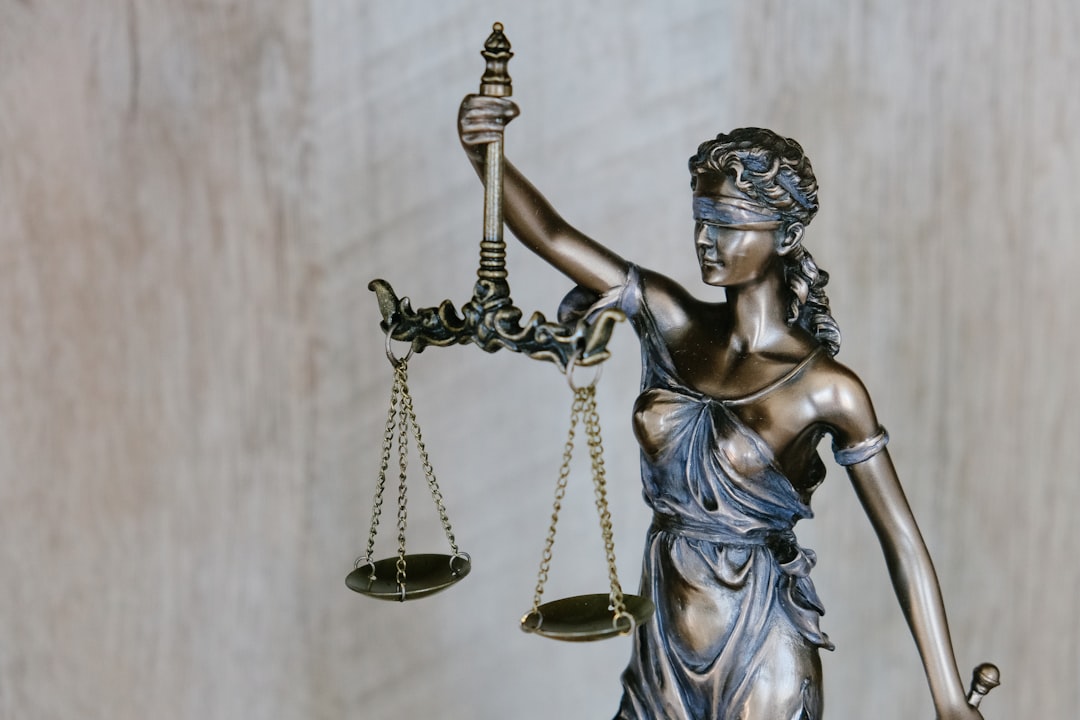
Normandy's TCPA regulations for catering services present unique challenges within the food industry, demanding strict adherence to reduce unwanted calls. As one of the most stringent privacy laws in the U.S., the Telephone Consumer Protection Act (TCPA) prohibits telemarketing calls and text messages without prior express consent. In Normandy, catering companies must understand these rules, as non-compliance can result in substantial fines. For instance, a 2021 case study revealed that a leading Philadelphia-based catering service faced penalties totaling $500,000 for TCPA violations, underscoring the severity of such infractions.
Catering professionals should focus on obtaining explicit consent from clients before initiating any promotional calls or texts. This involves clear communication during the initial booking process and maintaining comprehensive records. A practical approach could include providing a consent form that explains the client's rights and allows them to opt-in or out of future marketing efforts. Lawyers specializing in unwanted call Philadelphia, and similar legal hubs, often assist businesses in navigating these complexities by offering tailored strategies for compliance.
Furthermore, catering services must be vigilant about their third-party vendors' practices. If a supplier or affiliate engages in unauthorized telemarketing, the catering company could still be held liable. Regular audits of marketing protocols and vendor agreements are essential to mitigating risk. By prioritizing TCPA compliance, Normandy's catering industry can ensure lasting customer relationships and avoid costly legal repercussions, fostering a more trustworthy business environment.
Navigating Unwanted Call Laws: A Philadelphia Lawyer's Perspective

Navigating the complex landscape of unwanted call laws is a critical aspect of TCPA compliance for catering services in Normandy. As businesses expand their reach, they must be mindful of consumer privacy rights, particularly when it comes to telemarketing practices. A Philadelphia lawyer specializing in unwanted calls can offer invaluable guidance on adhering to these stringent regulations.
The Telephone Consumer Protection Act (TCPA) restricts the manner and timing of telephone solicitations, aiming to curb excessive or harassing calls. Catering companies, especially those with robust marketing strategies, must ensure their efforts align with this legislation. For instance, a recent study revealed that over 70% of consumers find repeated sales calls highly annoying, leading to potential TCPA violations if not managed correctly. A lawyer for unwanted call Philadelphia can help businesses craft strategies to minimize such risks. This may involve implementing do-not-call lists, obtaining explicit consent for marketing calls, and using automated systems in compliance with the law.
Expert legal counsel is crucial when dealing with the nuances of TCPA compliance. Lawyers specializing in this field can assist catering services in understanding the legal framework and developing tailored solutions. They can navigate the intricate rules surrounding call frequency, content, and delivery times, ensuring businesses stay within legal boundaries. By proactively addressing these issues, companies can avoid costly fines, maintain consumer trust, and foster long-term brand loyalty. Staying informed about evolving regulations is essential, as the TCPA continues to adapt to reflect modern communication trends.
Compliance Strategies: Protecting Your Catering Business from Lawsuits

The telemarketing industry is heavily regulated, with strict rules aimed at preventing unwanted calls and protecting consumers from aggressive sales tactics. For catering services, especially those engaging in outbound telemarketing to generate leads or promote their business, understanding and adhering to these regulations, particularly the Telephone Consumer Protection Act (TCPA), is paramount. Failure to comply can result in substantial fines and damage to a catering company's reputation, potentially leading to lawsuits. Protecting your business from such legal issues requires a robust compliance strategy focused on minimizing risks associated with telemarketing practices.
One of the primary challenges for caterers is ensuring compliance while leveraging effective marketing techniques. Outbound calls, if not handled properly, can trigger TCPA violations. For instance, simply neglecting to obtain prior express consent before making automated dialer calls or using prerecorded messages can expose a catering business to legal repercussions. According to the Federal Trade Commission (FTC), which enforces the TCPA, consumers have the right to refuse all marketing calls, and businesses must respect these opt-out requests. A comprehensive compliance strategy should include implementing robust do-not-call mechanisms, training staff on consent management, and utilizing reliable technology that tracks and logs calls accurately.
Seeking guidance from a lawyer specializing in unwanted call Philadelphia or TCPA regulations can be invaluable. Legal experts can provide tailored advice, ensuring your catering business navigates the complex landscape of telemarketing compliance successfully. They can assist in drafting comprehensive call scripts, consent forms, and do-not-call policies, minimizing the risk of unintended violations. Regular audits of telemarketing practices and employee training programs are essential to maintaining compliance over time. By adopting these proactive measures, caterers can protect their operations from costly lawsuits and maintain customer trust, ensuring long-term success in a highly regulated industry.